


Melissa Mirabile: Turning Loss into a Legacy of Hope
Topic: Hide on Homepage, Real Talk: Survivor, Patient & Family Stories, Your Source for Breaking News & Inspirational Stories
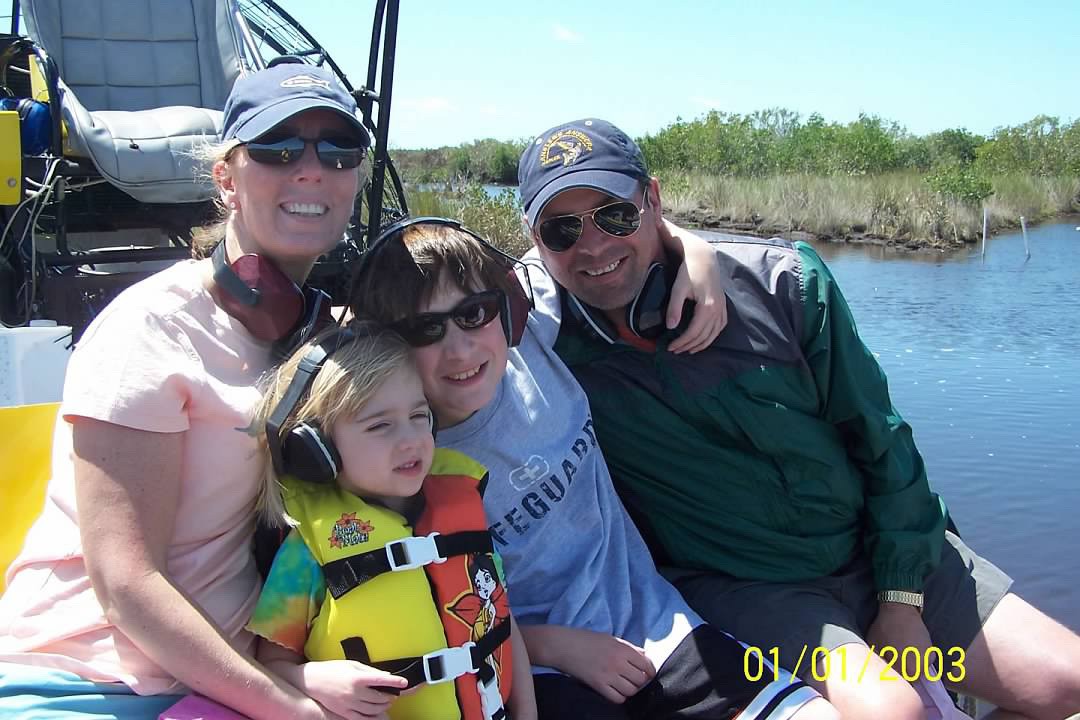
When Melissa Mirabile sat down at the kitchen table to tell her 14-year-old son that his father had pancreatic cancer, his response would stay with her forever.

Her son lowered his head onto the table. Having lost his grandfather to the same disease just four years earlier, he already understood what the diagnosis could mean.
“Papa Joe died of pancreatic cancer, and that means Dad’s going to die, too,” he told her.
Just three and a half weeks after his diagnosis, Melissa’s husband, Chuck, passed away in 2012, leaving behind their two children, then just 7 and 14 years old. Two weeks earlier, the family had also lost Chuck’s mother to a heart attack amid the emotional strain of her son’s illness. In a matter of weeks, their lives had changed forever.
While the loss of her husband was devastating, Melissa could never forget how quickly her son had connected his father’s diagnosis with the loss of his grandfather. It was a defining moment that strengthened her determination to help change what pancreatic cancer could mean for future generations.
“The fact that at 14, he knew that there was no hope hurt. And it hurt in a way that hasn’t stopped hurting since,” she recalled.
Turning Loss into Advocacy
Following Chuck’s passing, Melissa became increasingly concerned about what her family’s history of pancreatic cancer could mean for her children’s futures. Rather than allowing that uncertainty to define their lives, she encouraged them to understand their family history, communicate openly with their healthcare providers, and take an active role in their health.

As her children grew older, that awareness became increasingly important. Her son, now 29, began exploring opportunities for pancreatic cancer screening, including the possibility of establishing a baseline MRI for future comparison. While navigating questions about appropriate screening options for someone his age and with his family history, Melissa wanted to ensure he had access to specialists who could help him make informed decisions.
Years earlier, Melissa had registered her children with the familial pancreatic cancer research database at Johns Hopkins. When she later reached out to the Lustgarten Foundation for guidance, the Foundation connected her family with specialists at Johns Hopkins through its Lustgarten-supported Cancer of the Pancreas Screening (CAPS) program, which focuses on early detection in people at increased risk.
For Melissa, the connection brought reassurance that her family did not have to navigate these concerns alone. “Advocating for yourself doesn’t make you difficult,” she explained. “It means that you’re aware of something that needs to be taken seriously.”
Investing in Research, Leaving a Lasting Legacy

For nearly 15 years, Melissa has been a dedicated supporter of the Lustgarten Foundation. When she first began looking for ways to make a difference, Melissa wanted to support an organization where her contributions would directly advance the research needed to develop better treatments and earlier detection methods.
Over the years, her relationship with the Foundation has grown beyond financial support. Through conversations with Lustgarten staff and access to information about scientific advancements, Melissa has found a community that understands her family’s experiences and shares her hope for a future with more options for people facing pancreatic cancer.
Her commitment has also grown into a decision to include the Lustgarten Foundation in her legacy giving plans, ensuring that her support for pancreatic cancer research can continue long after her lifetime.
For Melissa, this decision is about more than charitable giving. It represents an investment in the future of her children, potential grandchildren, and countless other families who may one day face the same diagnosis. She recognizes that pancreatic cancer remains one of the most challenging diseases to detect and treat, but believes those challenges make continued investment in research even more important.

Above all, Melissa hopes her contributions will help accelerate progress in early detection, providing future patients with opportunities that were not available to Chuck and his father. “My hope is that long after I’m gone, I can continue to help fund and eventually find hope and a cure or better treatments,” she shared.
Although pancreatic cancer has taken so much from her family, Melissa has turned her experience into a lasting commitment to advocacy, awareness, and research. Through her support of Lustgarten, she hopes to help create a future where families have more answers, more treatment options, and more reasons for hope.
“Awareness and advocacy are the greatest gifts that we can give to the future,” Melissa said.
And for Melissa, the greatest legacy she could leave behind is a future where her children and grandchildren no longer have to live with the same fear of pancreatic cancer that has shaped her family’s story.