


John Squires: Embracing the Role of Caregiver
Topic: Hide on Homepage, Real Talk: Survivor, Patient & Family Stories, Your Source for Breaking News & Inspirational Stories
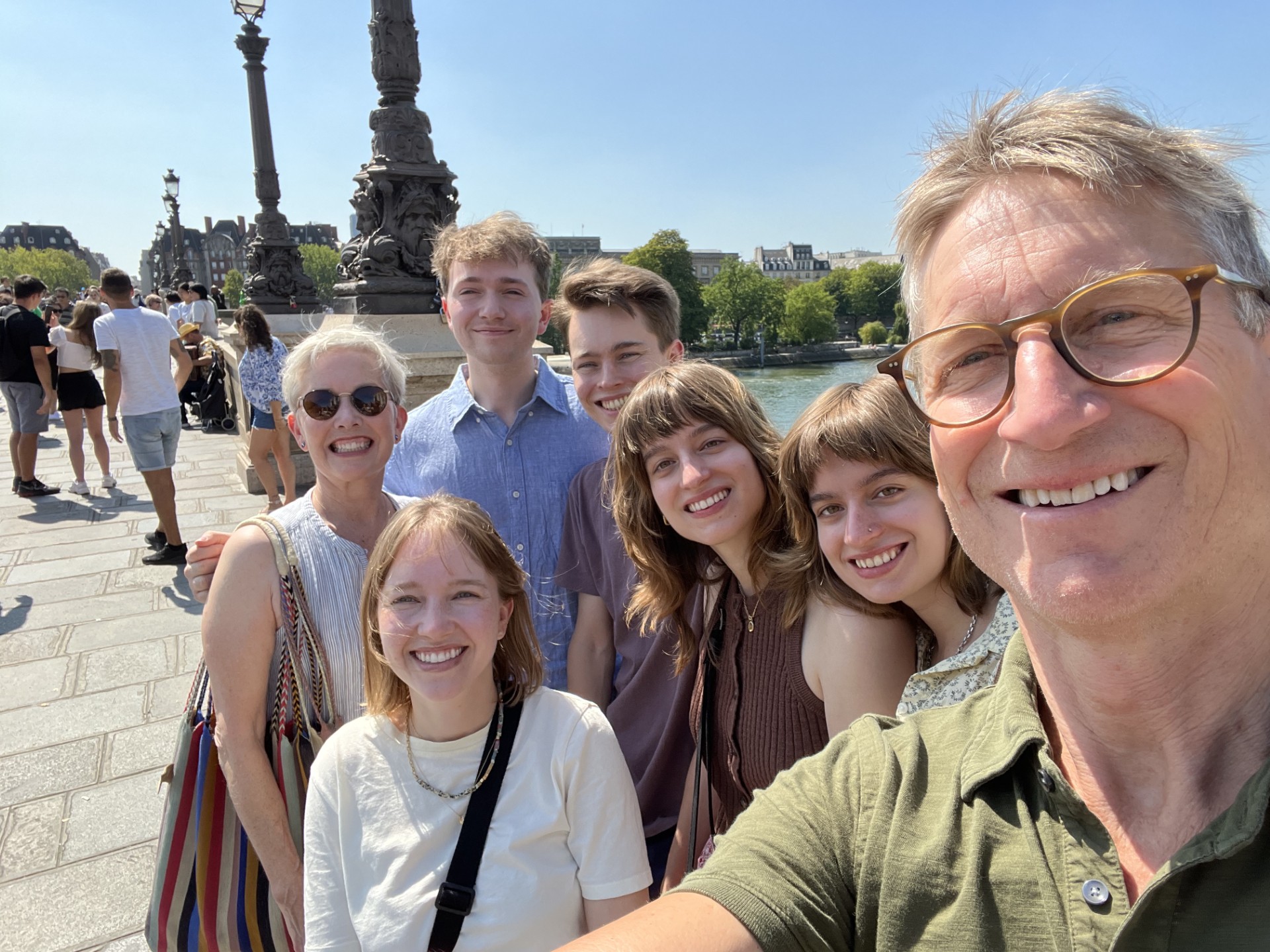

Taking on the role of caregiver is both an immense responsibility and a profound privilege. For John, the journey began unexpectedly, as he and his wife Kate navigated the first unsettling signs of illness together. As Kate experienced unexplained discomfort after a seemingly ordinary afternoon, John found himself immediately immersed in a world of medical uncertainties, concern, and support.
Reflecting on those early days, John remembers the emotional weight of standing beside a loved one facing a life-altering diagnosis. Yet even in those first moments, he understood that being present would become his guiding purpose. “It was a privilege to share this time with her, as painful as it was,” he says. That deep sense of commitment would shape the years that followed and define his approach to caregiving.
NAVIGATING UNCERTAINTY AND SEEKING ANSWERS

Kate’s pancreatic cancer diagnosis came after persistent symptoms led them to seek answers at a local medical center. The news was devastating, bringing with it the sobering reality that pancreatic cancer is often diagnosed at a late stage. John and Kate confronted that reality head-on. “Of course we wanted her to survive, but I think we were realistic about it,” John recalls. “You have to be. You’re instantly faced with the statistics as a family with somebody with pancreatic cancer, and you can’t run from those.”
Even in those first difficult moments, Kate’s resilience and wit were unmistakable. As they left the hospital after her diagnosis, she joked about having just bought a new pair of shoes; an example of her ability to find levity even in the darkest circumstances. “She just maintained this sense of living and humor that was remarkably present even the moment she was diagnosed,” John says.
FINDING STRENGTH IN COMMUNITY AND RESEARCH-DRIVEN SUPPORT
Throughout Kate’s treatment, the couple engaged deeply with the medical community and sought out the latest research and resources to inform their decisions. Kate, a writer and a former medical news producer, turned to organizations like the Lustgarten Foundation for scientifically grounded hope. She followed research updates, webinars, and clinical trial advancements, finding encouragement in the progress being made, even if much of it would come too late for her own prognosis.
While support groups and shared community resources are invaluable for many, John and Kate relied primarily on the strength of their immediate family. Their approach was to remain informed, communicate openly, and draw support from one another. The Lustgarten Foundation’s focus on research and transparent information was a beacon for them, providing insight, optimism, and a sense that their experience could contribute to future advances.
FACING CHALLENGES TOGETHER
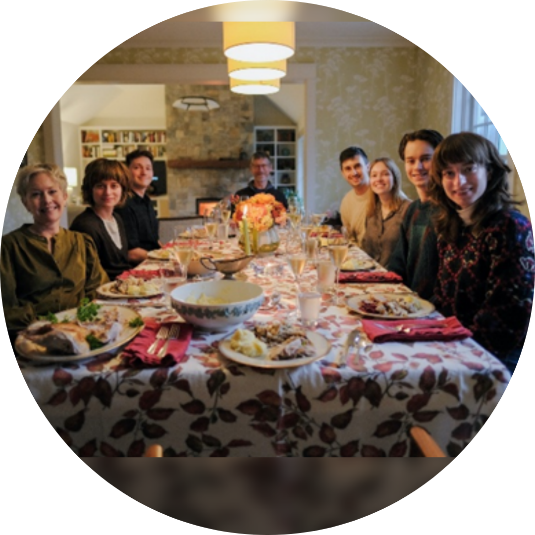
Kate’s journey was marked by formidable challenges, from harsh side effects of chemotherapy to the emotional toll of living with a terminal prognosis. Despite these obstacles, she and John chose to live as fully as possible. Kate continued to write, garden, and create family keepsakes, leaving behind a legacy of love, creativity, and practical wisdom for her children and grandchildren. “And throughout it all, up until the last few months of her life, she had this joy about living, and about spending time with family,” John reflects.
Rather than focusing on bucket lists or what might never happen, their family prioritized daily life and the moments they could share together. Through it all, Kate’s perspective left a lasting impression on everyone around her. “But she just kept moving. She kept living,” John says. “She showed us, even while dying, how to live, and that’s a pretty remarkable gift.”
LEGACY OF LOVE
Kate’s enduring impact is felt in the lives of her family and the broader community. Through her writing, art, and the memories she cultivated, she empowered her loved ones to carry forward her spirit of humor, intelligence, and courage. For John, the experience reinforced what matters most, “to me, the most important thing to do is to love and be family first, and to be open and communicative to one another,” he says. “Because you’re all you have, really, in a sense.”
The message is clear: while hope may sometimes seem distant, the love and unity built during such journeys endure as lasting gifts, inspiring continued efforts toward progress and healing for all those affected by this disease.