


The Heart of the Matter: Tatiana Schlossberg’s Battle for Truth
Topic: Announcement, Hide on Homepage
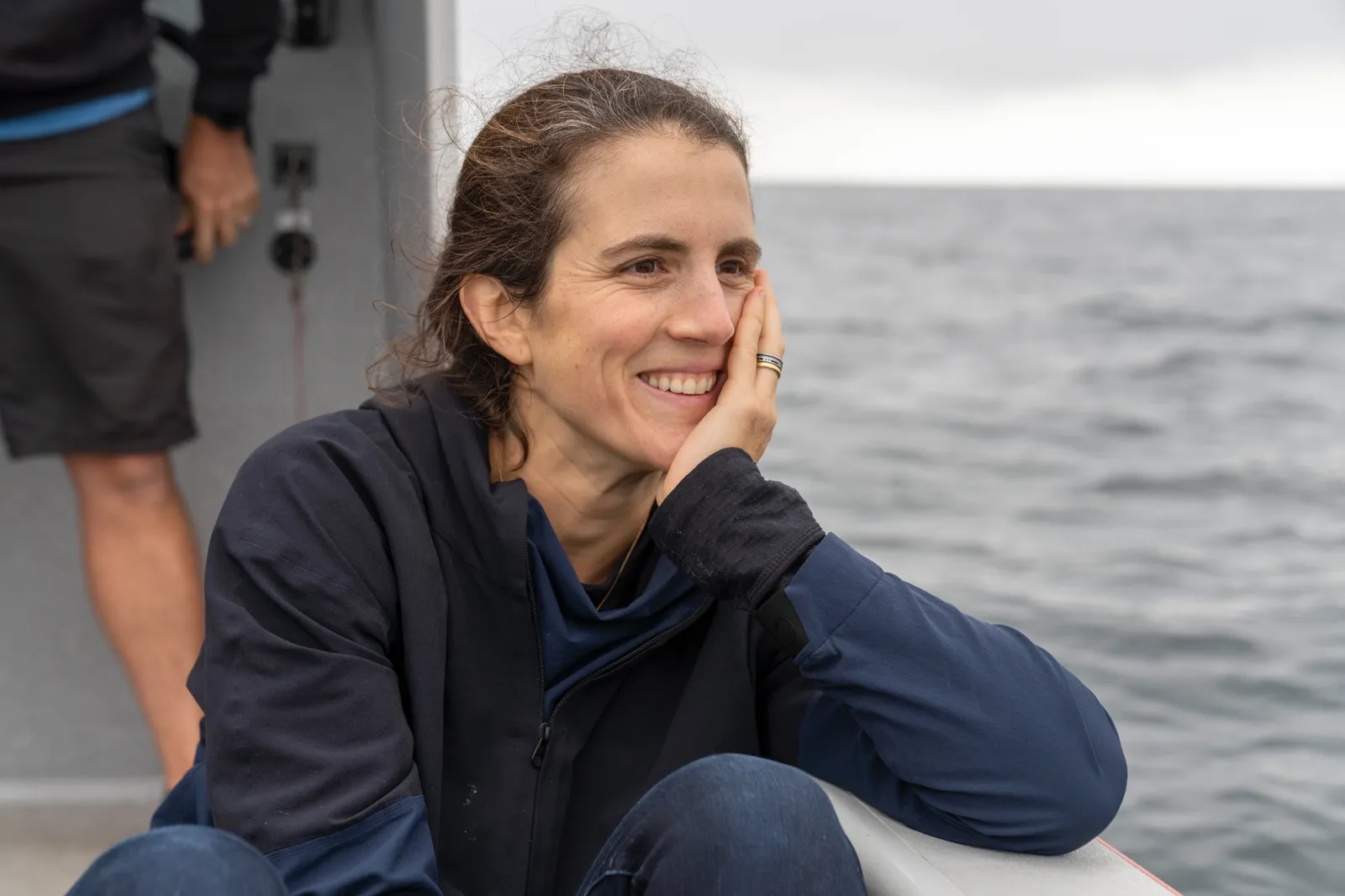
Tatiana Schlossberg passed away on December 30, 2025, 20 months after her initial diagnosis. We honor her bravery in choosing truth, even in the face of profound personal loss.
It must be a heavy burden to wage a battle on two fronts when you have been told you have a year to live. We are heartbroken for Tatiana and her family as she confronts Acute Myeloid Leukemia with a rare and aggressive mutation. She has spent her life watching her mother safeguard a family legacy shaped by public service and belief in science. Now, with her own shocking diagnosis, she faces a dual burden, the battle with leukemia and the anguish of watching her cousin undermine science and harm patients, betraying a legacy defined by service and belief in science.
Her experience underscores what is often lost in political debates. Institutions like New York Presbyterian and Memorial Sloan Kettering are not only major clinical centers. They are essential components of the national research ecosystem. Their discoveries power the clinical trials and treatment strategies that define modern cancer care. These advances exist only because the United States has historically invested in scientific rigor, protected biomedical research, and supported the translation of discovery into therapy.
Tatiana’s illness also highlights the real world consequences of vaccine misinformation and the erosion of public trust. Immunocompromised cancer patients rely on community vaccination for their own protection. When public figures promote falsehoods or undermine confidence in vaccines, the impact is not abstract. It puts medically vulnerable people at immediate risk. It destabilizes public health systems that depend on accurate information and collective responsibility.
The threat extends beyond individual vaccination decisions. The effort to eliminate funding for mRNA research directly jeopardizes the next generation of medical innovation. mRNA technology represents one of the most promising platforms for infectious disease prevention and cancer therapeutics, including approaches now under study for pancreatic cancer. Reducing or eliminating federal support for this work would slow scientific progress, weaken national preparedness, and deny patients access to potential breakthroughs.
Tatiana’s voice is a reminder that science policy is not theoretical. Every decision lawmakers make about research funding, vaccine communication, and public health infrastructure has real consequences for patients, families, and the future of medical innovation. Protecting the research enterprise is not only about safeguarding institutions. It is about preserving the ability to save lives.
Her essay calls the country to confront the stakes with clarity. The United States needs strong research funding. It needs evidence based public health policy. It needs leaders who strengthen, rather than undermine, trust in science. The future of biomedical progress depends on it.
Tatiana has chosen truth at a moment when it matters.
Godspeed to her and to her family.