


Inside Pancreatic Cancer Research: Cold Spring Harbor Laboratory, Fall 2026
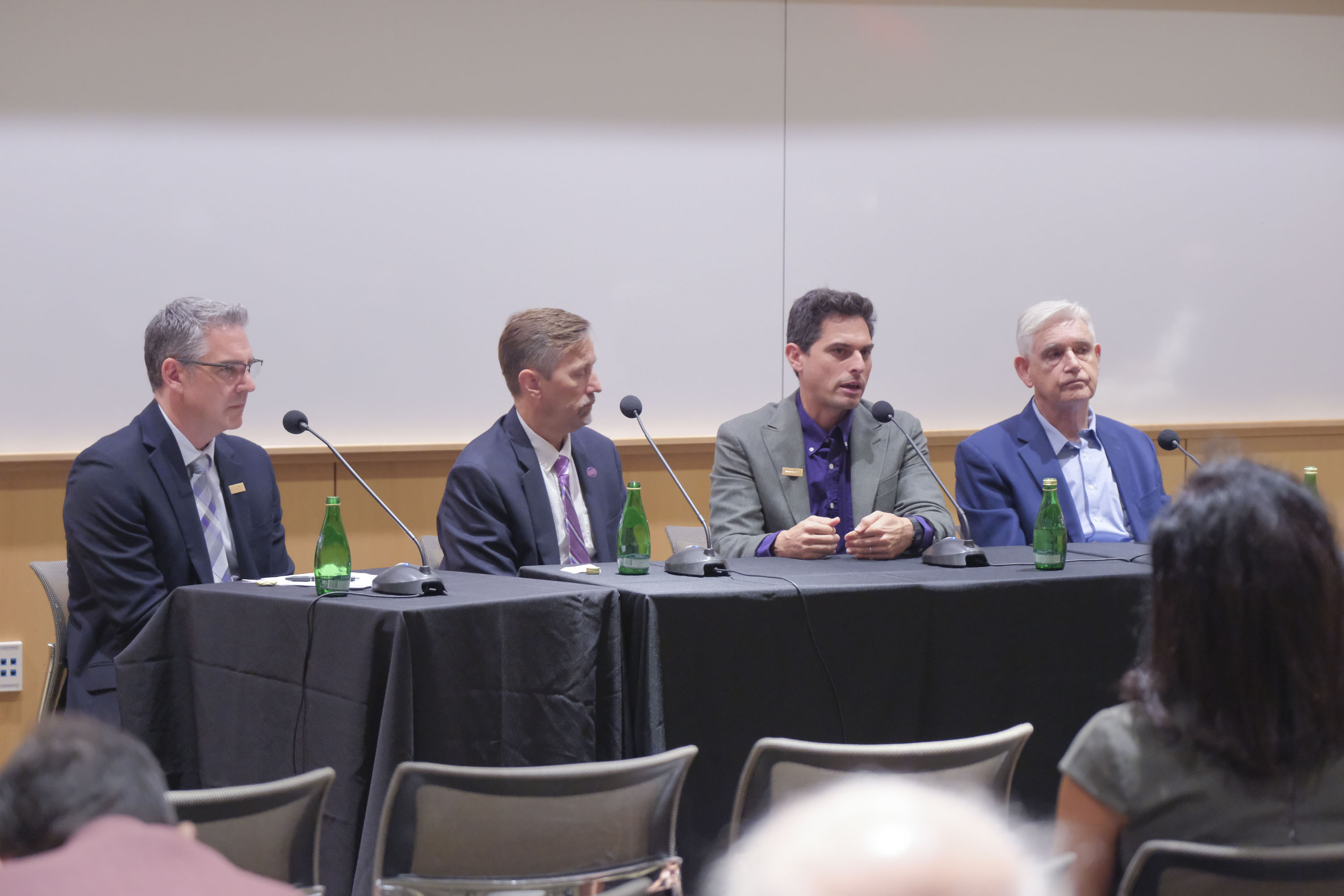
Photography by Rob Rich
At a special Lustgarten Foundation event at Cold Spring Harbor Laboratory, leading researchers explored breakthroughs in KRAS-targeted therapies, the future of early detection, and the science changing what’s possible for pancreatic cancer patients.
In the article:
- RAS-targeted Therapies
- Combination Therapies
- Earlier Detection
- Collaboration and Sustained Investment
- Momentum and Progress

On October 1, the Lustgarten Foundation gathered leading scientists, clinicians, and supporters at Cold Spring Harbor Laboratory (CSHL) for an inside look at the research driving this progress and the critical questions that will shape what comes next.
Following behind-the-scenes laboratory tours, attendees heard from David Tuveson, MD, PhD, Director of the Cold Spring Harbor Laboratory Cancer Center and Lustgarten’s Chief Scientist; Daniel King, MD, PhD, gastrointestinal medical oncologist and Director of Research and Development for the Center for Genomic Medicine at Northwell Health Cancer Institute; and Bruce Stillman, PhD, President and CEO of Cold Spring Harbor Laboratory and internationally renowned molecular biologist whose pioneering research on DNA replication has advanced our understanding of cell division and cancer. The discussion kicked off with opening remarks from Linda Tantawi, Lustgarten Foundation CEO, was moderated by Andrew Rakeman, PhD, Lustgarten’s Vice President of Research, and explored a pivotal moment in pancreatic cancer research, from the development of new targeted treatments to emerging strategies for detecting the disease earlier.
The event underscored how decades of foundational research have paved the way for today’s breakthroughs and why continued investment is essential to translating these advances into better outcomes for patients.
BREAKING THROUGH DECADES OF SCIENTIFIC CHALLENGES
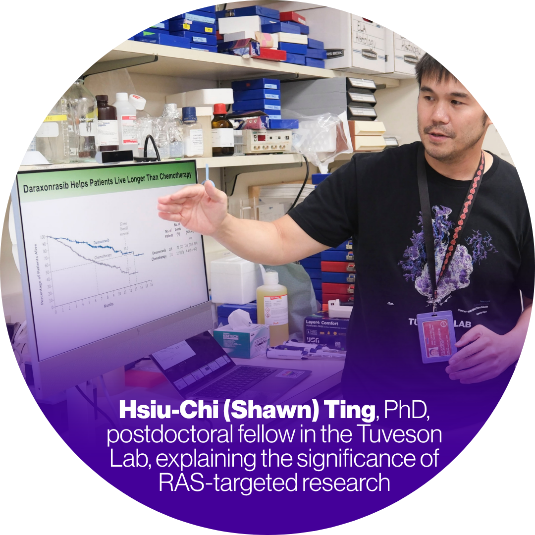
A central topic was KRAS, a gene mutated in more than 90% of pancreatic ductal adenocarcinomas (PDAC) and has long been considered one of the most difficult targets in cancer research. Although scientists identified KRAS mutations decades ago, developing medicines to target the resulting proteins remained a major challenge. Today, that is changing.
Researchers have developed a new generation of RAS-targeted therapies, including Rasonque™ (daraxonrasib), an FDA-approved treatment for eligible patients with previously treated metastatic pancreatic cancer. This milestone marks a turning point in pancreatic cancer treatment, paving the way for future discoveries.
For Dr. Tuveson, whose LABS (Lustgarten Advancing Breakthrough Science) site at CSHL investigates pancreatic cancer biology, these advances reflect decades of work to understand and target the disease. “It’s changed really everyone’s opinion about the disease. We know we can fight it with medicines now,” shared medicines,” said Tuveson.
While targeted therapies have demonstrated meaningful benefits, cancer cells can develop resistance over time. Researchers are now exploring ways to extend treatment responses and improve outcomes for more patients.
MOVING BEYOND A SINGLE TREATMENT
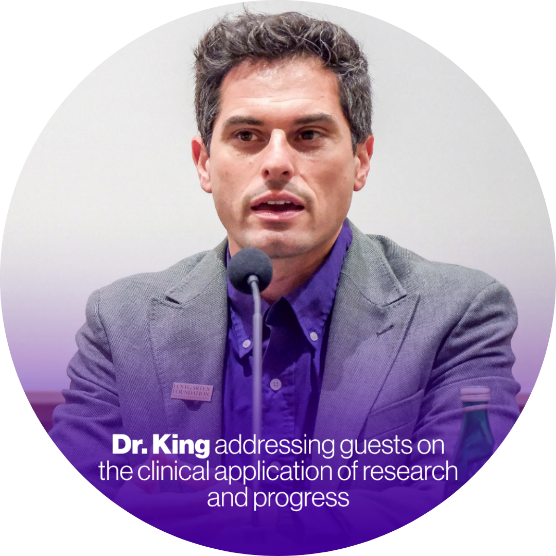
Drawing on his experience as a physician-scientist, Dr. King discussed the promise of RAS-targeted therapies and one of the biggest challenges ahead: overcoming drug resistance to help patients benefit from treatment longer.
Researchers are exploring combinations of RAS-targeted therapies with other treatments, including immunotherapy, to improve and extend treatment responses. Although immunotherapy has transformed care for several cancer types, pancreatic cancer has remained particularly difficult to treat with these approaches.
EARLIER DETECTION: FINDING PANCREATIC CANCER BEFORE SYMPTOMS APPEAR
Detecting pancreatic cancer earlier, when treatment options are more effective, remains one of the greatest opportunities to improve patient outcomes. Because the disease often develops without noticeable symptoms, most patients are diagnosed at an advanced stage, limiting treatment options.
Dr. King highlighted research using electronic health records and AI to identify patients at increased risk of pancreatic cancer, including those experiencing new-onset diabetes and unexplained weight loss. “How do we find people who are at risk of developing pancreas cancer? How do we get really good at that?” he asked.
Earlier detection could also create opportunities to intercept the disease before it becomes invasive, an emerging focus in pancreatic cancer research.
THE POWER OF COLLABORATION AND SUSTAINED INVESTMENT
Decades before KRAS-targeted medicines reached patients, scientists were working to understand the gene’s role in cancer. Early discoveries, including research supported by Lustgarten, helped establish the foundation for today’s treatments.
Yet this foundational research was considered high-risk, making it difficult to secure traditional funding. Organizations, like Lustgarten, help fill these critical funding gaps, supporting promising science that might otherwise go unexplored.
Dr. Stillman emphasized the importance of investing in basic science, even when its clinical applications may take decades to emerge. “Philanthropic funding is going to be essential, and it’s even more essential now than it has been in the past,” he shared.
That commitment also extends to the next generation of scientists. By expanding funding opportunities for early-career investigators and researchers across disciplines, the Lustgarten ecosystem is bringing fresh perspectives and innovative approaches to pancreatic cancer research.
TURNING SCIENTIFIC MOMENTUM INTO BETTER OUTCOMES
For patients and their loved ones, scientific progress means more treatment options, better outcomes, and more time together.
“At the Lustgarten Foundation, we believe that breakthroughs happen when exceptional science is matched with the resources, collaboration, and the urgency to move it forward. Your support helps make that possible,” said Linda Tantawi, CEO of the Lustgarten Foundation.
Through sustained investment in bold science, we’re accelerating discoveries to improve patient outcomes and advance our mission of transforming pancreatic cancer into a curable disease.
See ALL event videos HERE.
We extend our gratitude to Cold Spring Harbor Laboratory, our distinguished panelists, and everyone who joined us for this special evening.
A special thank you to Verastem Oncology for sponsoring this event.